



Qingdao Daowan Technology Co., Ltd.——Daowan DW18 Multiparameter Water Quality Monitoring System
Water Quality Monitoring | Multiparameter
Daowan DW18 Multiparameter Water Quality Monitoring System
Daowan DW18 Multiparameter Water Quality Monitoring System | Model: DW18
Product Positioning
The Daowan DW18 is a highly integrated data acquisition and control hub for ocean observation, water environment monitoring and long-term unattended deployment.
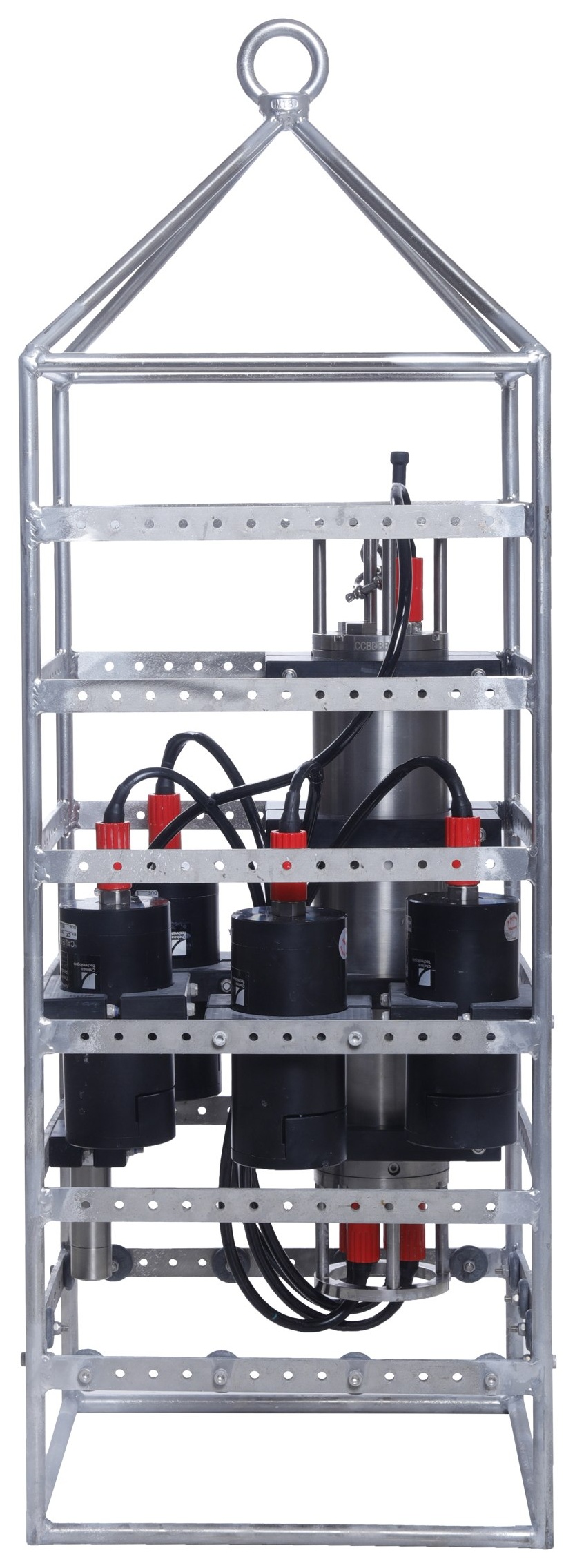
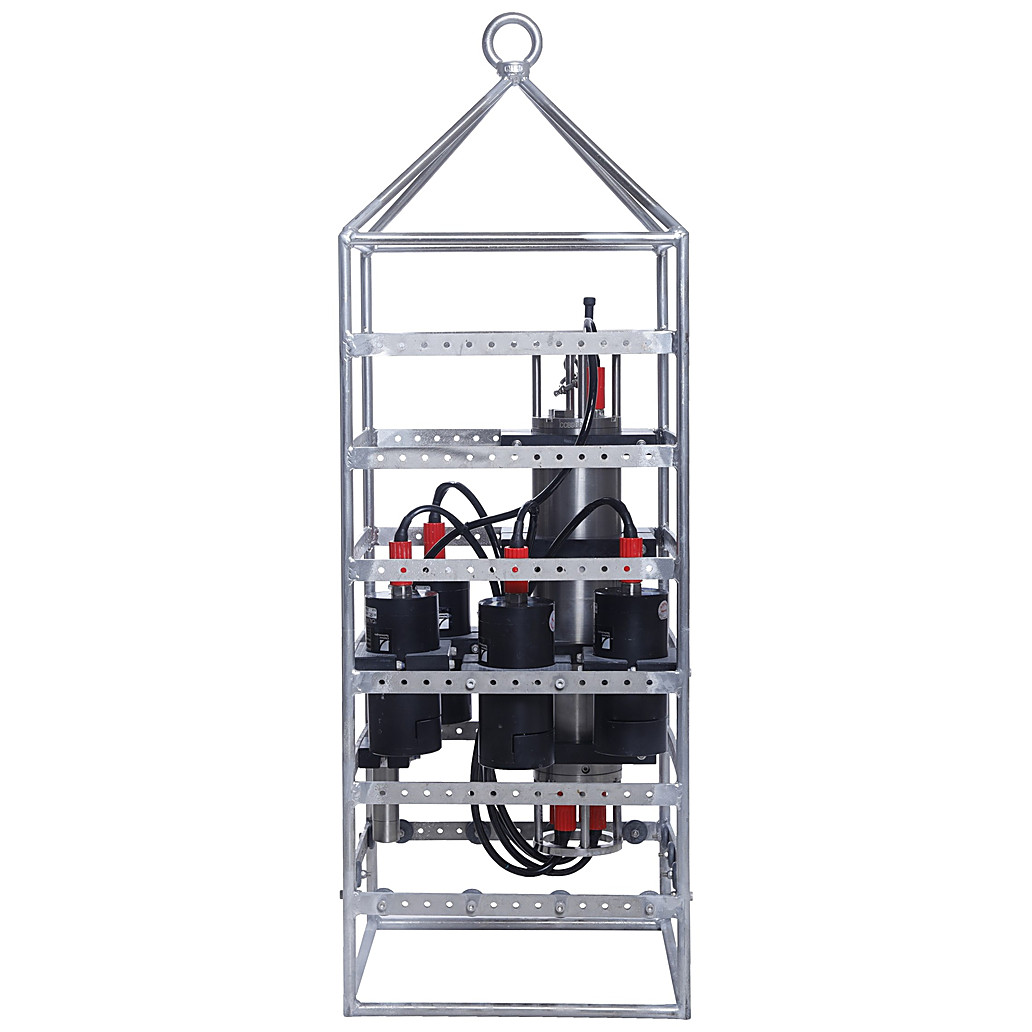
Fig. 1 Daowan DW18 Multiparameter Water Quality Monitoring System (product photo)
Product Overview
The Daowan DW18 is a highly integrated data acquisition and control hub for ocean observation, water environment monitoring and long-term unattended deployment. With a 90 mm diameter main unit providing 8 physical channels, it can integrate CTD measurement, actuator control (for the Daowan DW31 multi-bottle water sampler), FSK communication and charging management, and can also connect other third-party sensors, providing centralized power supply, centralized acquisition and unified management of multi-source devices.
The terminal uses an integrated sealed structure with a large-capacity rechargeable lithium battery and storage; communication, power (charging) and data export all work without opening the housing, supporting long-term underwater deployment and maintenance-free operation; each channel centrally powers external devices and centrally parses acquired data, working with the Daowan DWS software for real-time display, operating mode configuration, scheduled tasks and data export.
Two mature integrated solutions are established: the Chelsea solution combines a multi-channel fluorometer with several UV fluorometers, covering chlorophyll a, phycocyanin, CDOM, tryptophan and polycyclic aromatic hydrocarbons (PAH); the TriOS solution combines a visible-light spectrophotometer, an integrating-sphere absorption meter and a UV spectrophotometer with a sampling pump, covering color, absorption coefficients, nitrate, nitrite, COD, DOC, TOC and more. Sensors of both solutions sit inside the 315 mm square protective frame, deployed as one assembly.
Key Features
● Large φ90 mm main unit with 8 physical channels, integrating CTD, actuator control (water sampler), FSK, charging and third-party sensors;
● Can control the Daowan DW31 multi-bottle water sampler, coordinating monitoring with stratified sampling;
● Housing-free design: communication, power (charging) and data export all without opening; no disassembly needed during long deployments;
● Built-in 23,000 mAh rechargeable lithium battery for approx. 50 hours of continuous operation at 1 Hz sampling;
● Multi-source data integration with centralized power supply and parsing of external devices on all channels, unified storage and export;
● Unified management via the DWS software: real-time display, operating mode configuration, scheduled tasks, data export and import;
● 315 mm square protective frame lifted as a whole; sensors cleanable without removal for convenient field maintenance.
System composition
● Data aggregation terminal (main unit). A φ90 mm × 500 mm hatch-free control pod with built-in rechargeable lithium battery and storage, providing a service port (Port 1) and 5 sensor ports; it can control the Daowan DW31 multi-bottle water sampler.
● Protective frame. A 315 mm × 315 mm square protective frame with lifting rings on top and a built-in sensor mounting plate; the whole unit is lifted as one assembly.
● Integrated sensors. Configured per solution: the Chelsea solution uses a TriLUX multi-channel fluorometer and four UviLux UV fluorometers; the TriOS solution uses VIPER, OSCAR-G2 and OPUS spectrophotometers with a sampling pump; both solutions reserve a CTD port for a direct-reading CTD.
● DWS software. Automatically identifies device and sensor types; provides real-time data display, operating mode configuration (continuous/interval sampling, scheduled tasks, clock sync), data export (date-grouped CSV files) and data import/playback.
Main unit and integration structure
The data aggregation terminal main unit is a φ90 mm × 500 mm cylindrical pressure pod with 4 watertight ports at each end; the whole unit integrates into a 315 mm × 315 mm square protective frame with lifting rings on top for lifting as one assembly, sensors fixed to frame levels via mounting plates.
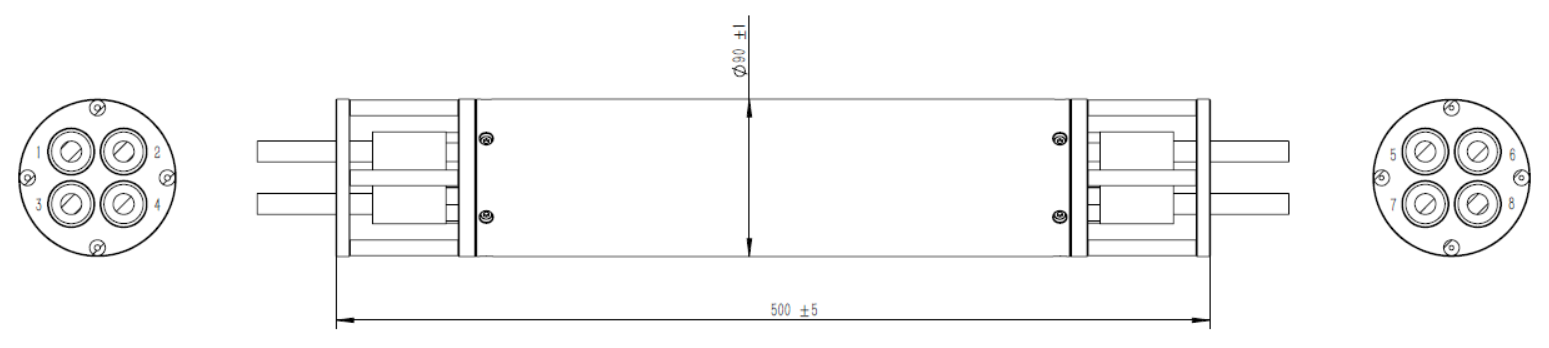 Fig. 2 Data aggregation terminal main unit outline (φ90 mm × 500 mm) | 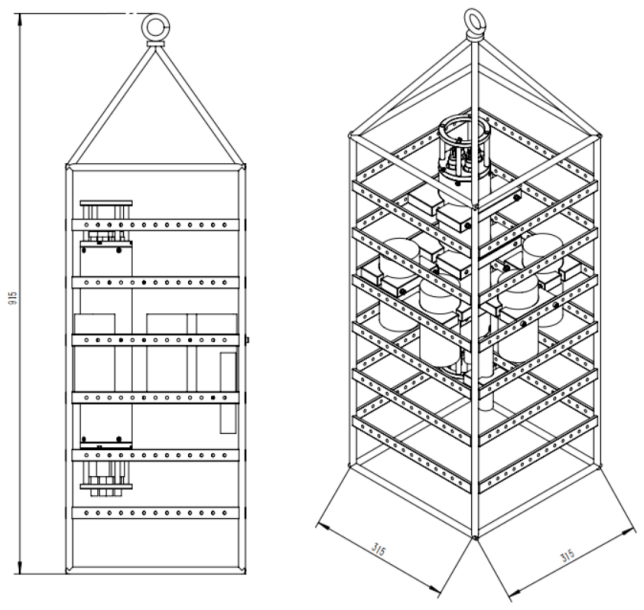 Fig. 3 Chelsea integrated solution frame structure (315 mm × 315 mm × 915 mm) |
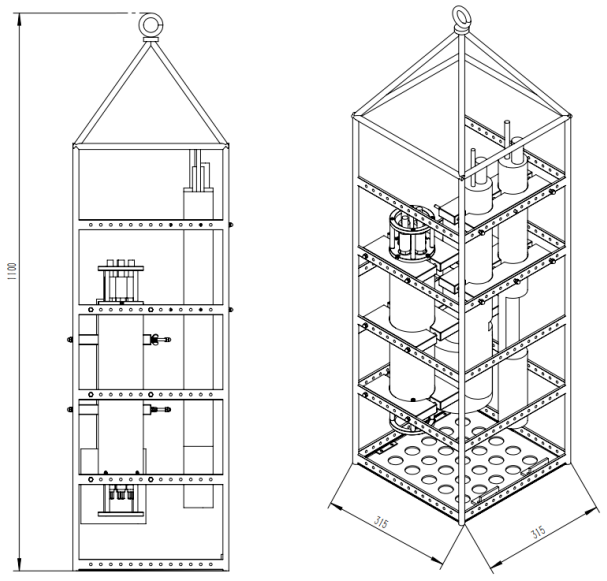 Fig. 4 TriOS integrated solution frame structure (315 mm × 315 mm × 1,100 mm) |
Integrated sensor appearance
Below are the sensor form factors of the two integrated solutions, combinable per user needs and monitoring elements.
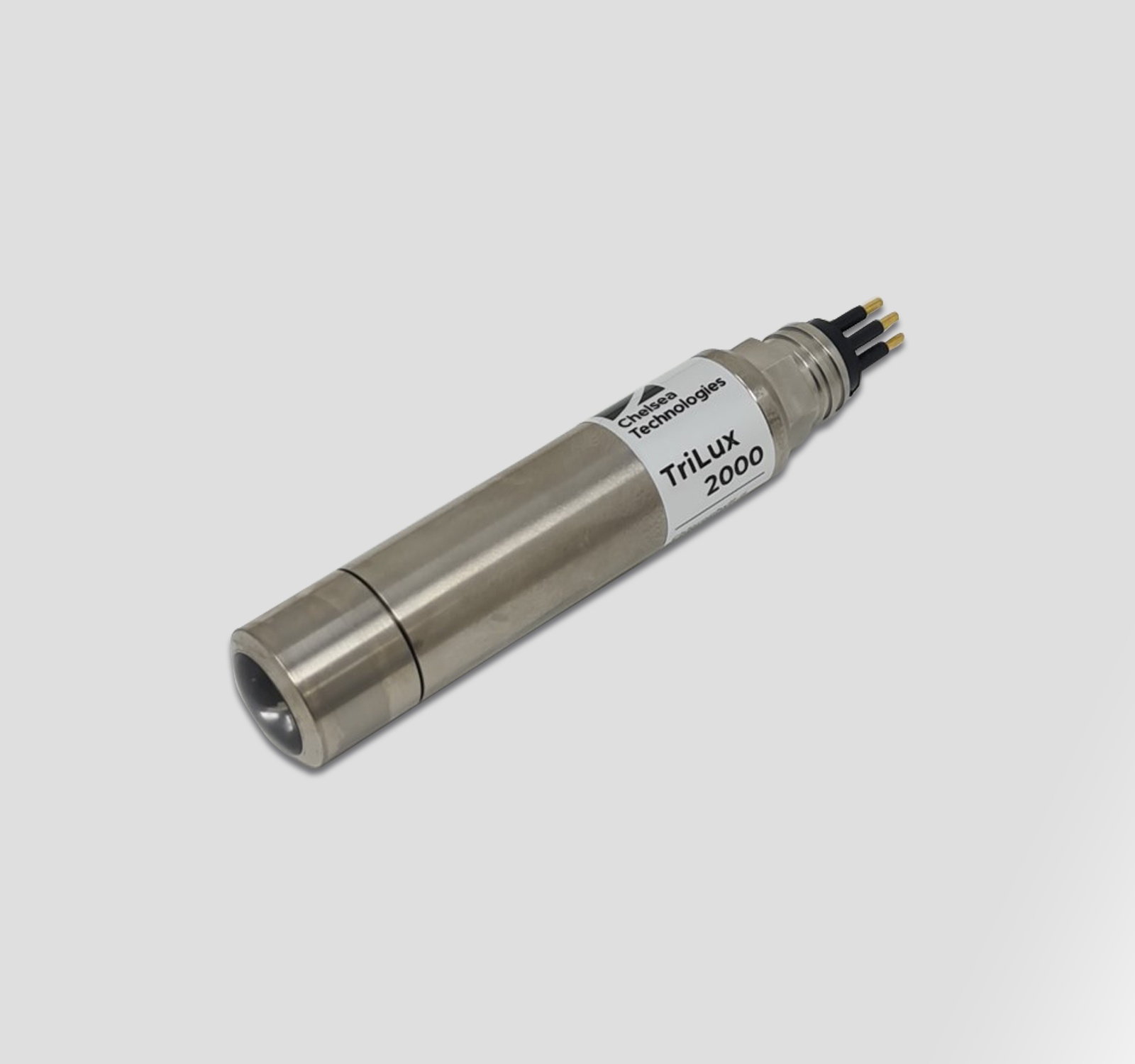 Fig. 5 TriLUX multi-channel fluorometer (Chelsea integrated solution) | 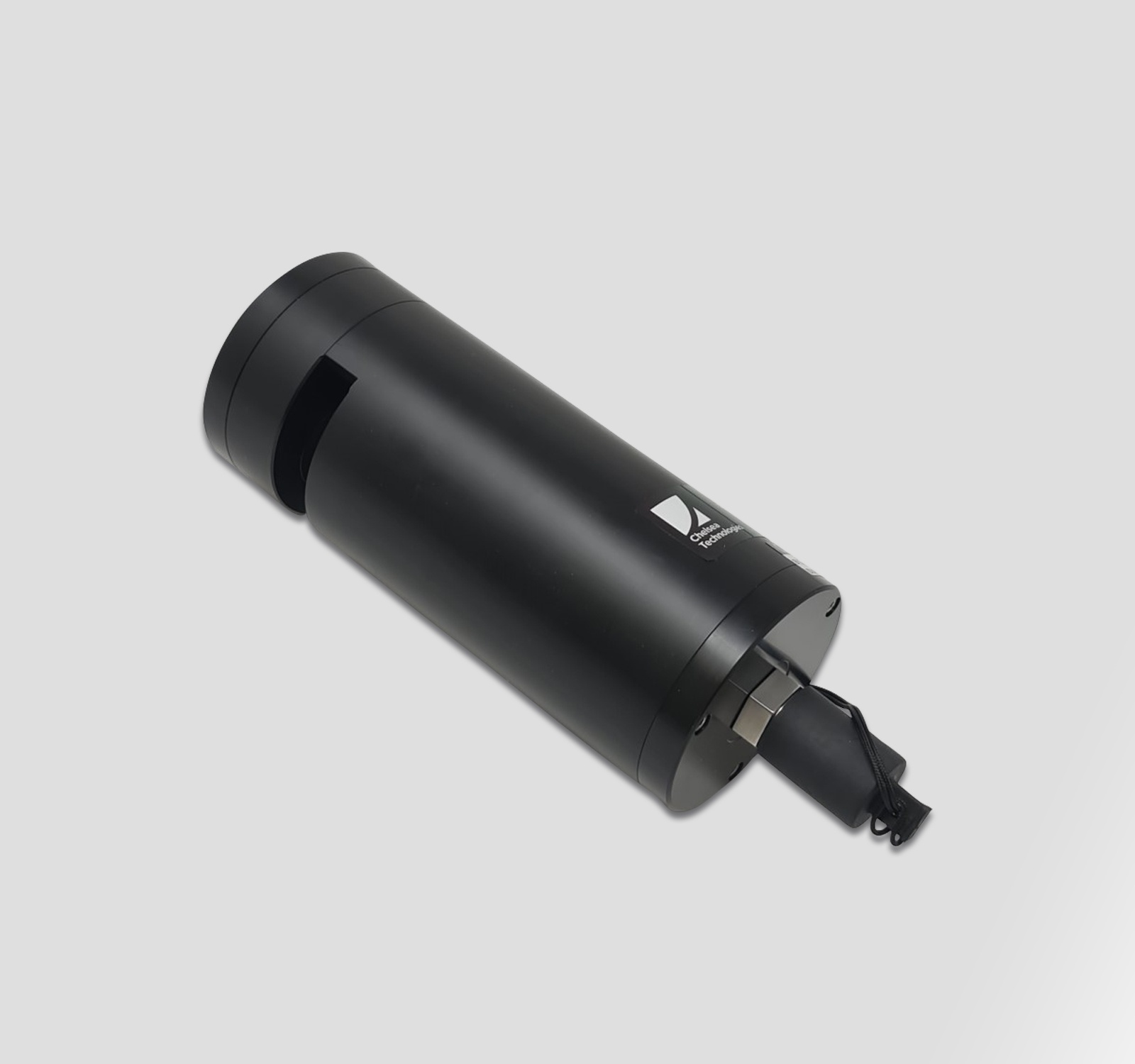 Fig. 6 UviLux UV fluorometer (Chelsea integrated solution) |
 Fig. 7 VIPER visible-light spectrophotometer (TriOS integrated solution) | 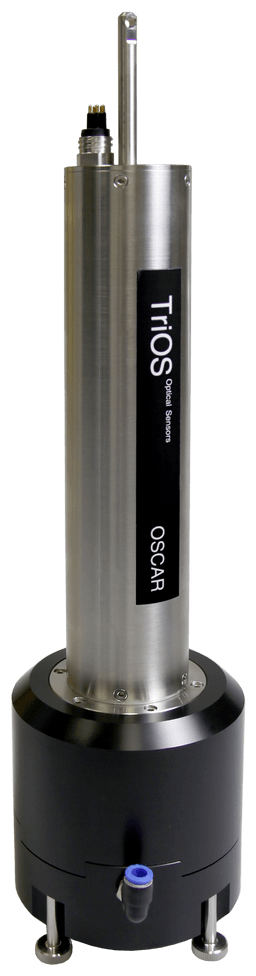 Fig. 8 OSCAR-G2 integrating-sphere absorption meter (TriOS integrated solution) |
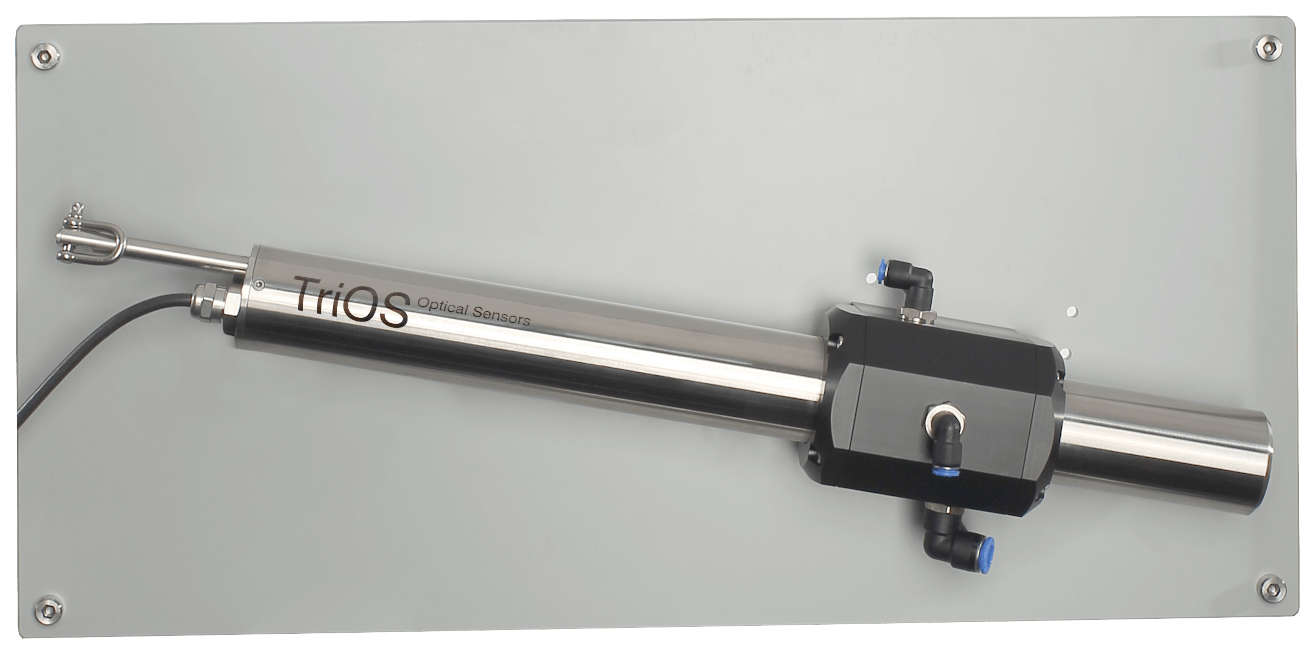 Fig. 9 OPUS UV spectrophotometer (TriOS integrated solution) |
Handheld Terminal (Optional)
The Daowan DW9 handheld terminal is a portable acquisition terminal supporting real-time sensor data acquisition, storage and display, running independently without a computer. It automatically identifies the connected device and sensor types — plug and play, making field data reading and logging easy. IP67 rated against water and dust, with 8 GB of built-in storage and 1 Hz sampling, it logs data continuously for 14 hours — an efficient, reliable mobile data acquisition solution for field personnel.
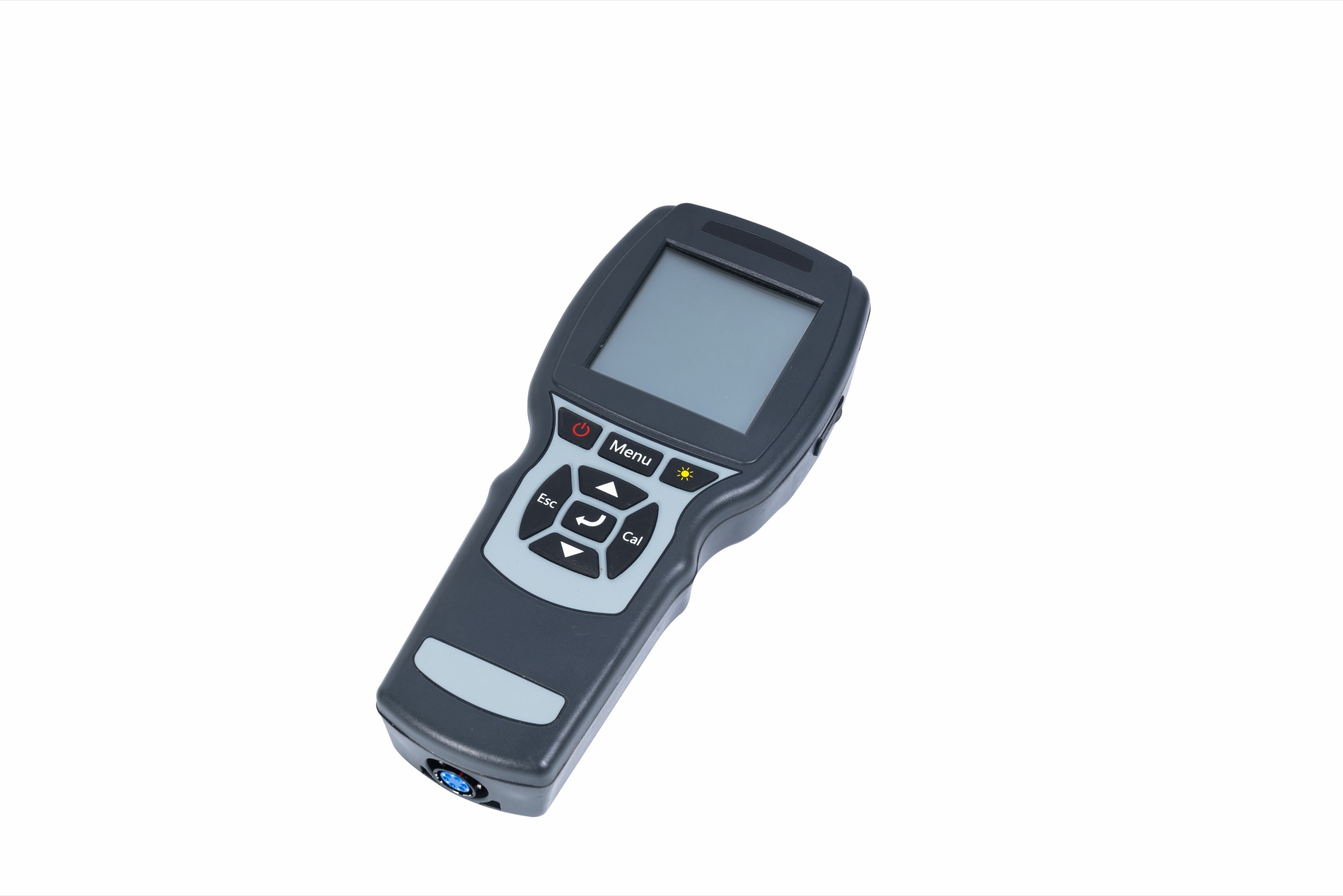 Fig. 10 Daowan DW9 Handheld Terminal (optional) |
Software System (Daowan DWS)
The equipment is managed by the Daowan DWS host software: on connection it automatically identifies the device type and each integrated sensor type, displaying each sensor's measurement curves and current values in real time; measurement data are presented as profile plots, time series, T-S diagrams and real-time tables, with open, import and export support; the software provides operating mode configuration (continuous/interval sampling, scheduled tasks, clock sync), calibration coefficient management, data backup export (CSV) and firmware upgrades (online/manual), with a Chinese interface for easy operation.
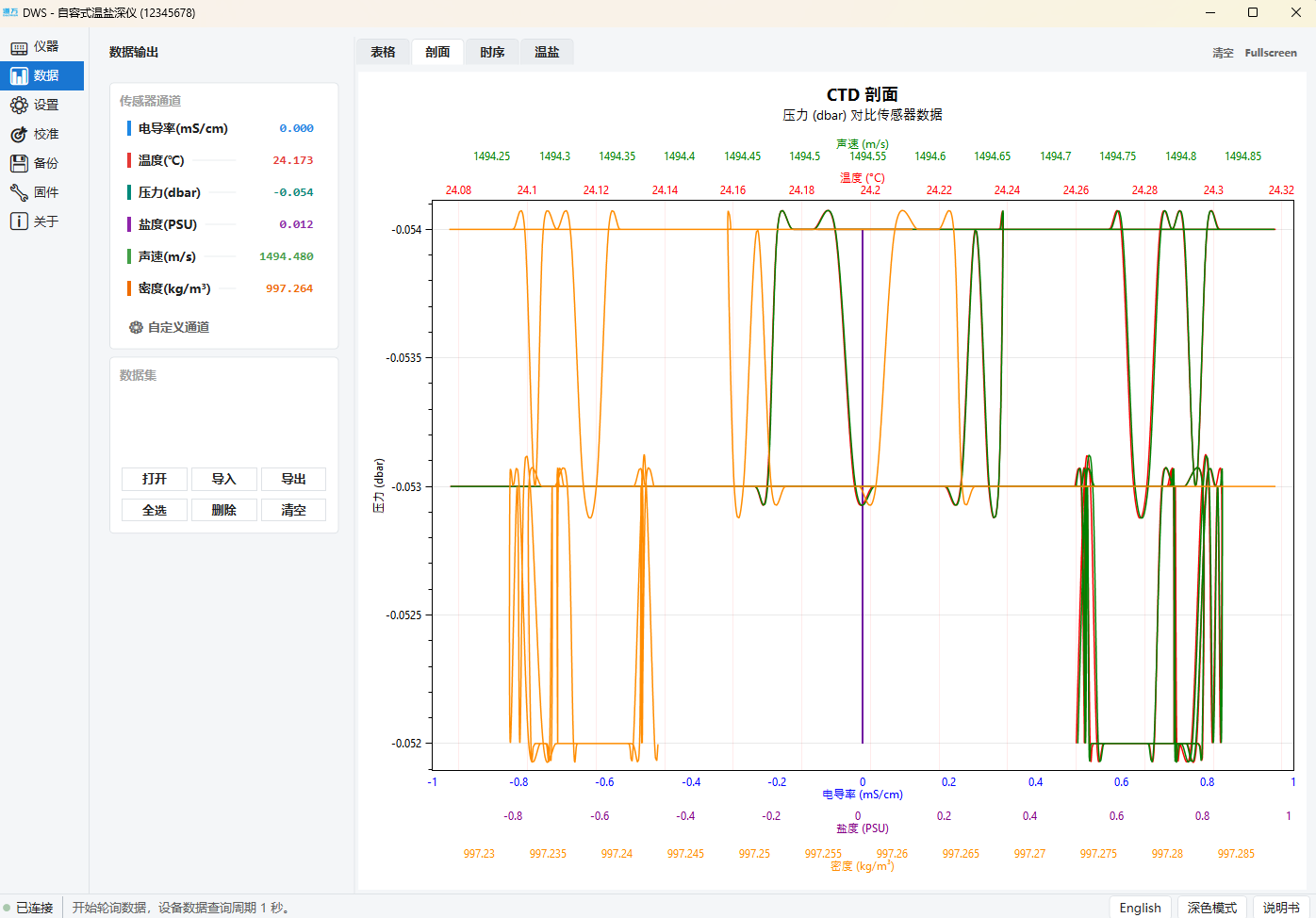 Fig. 11 DWS software real-time monitoring interface |
Technical Specifications
Main Unit Specifications
| Control pod dimensions | φ90mm×500mm |
| Control pod weight | approx. 7.3 kg in air, approx. 7.3 kg in water |
| Overall dimensions | Chelsea solution: 315 mm × 315 mm × 915 mm TriOS solution: 315 mm × 315 mm × 1,100 mm |
| Total weight | Chelsea solution: approx. 24 kg in air, approx. 21 kg in water TriOS solution: depends on the integrated sensor configuration |
| Power supply | Built-in rechargeable lithium battery 23,000 mAh |
| Endurance | approx. 50 hours (1 Hz sampling) |
| Service port | Port 1, RS232, baud rate 115,200 (charging and data export can run simultaneously) |
| Sensor ports | The main unit has 8 watertight ports (Port 1 is the service port) with 5 sensor expansion ports beyond the CTD; it powers external sensors centrally (16 V output) and supports serial data acquisition |
| Sampling mode | Two configurable modes: continuous (Hz) / interval (seconds), with 1 Hz online data display |
| Data management | Built-in storage with CSV export in files grouped by date; scheduled tasks (start/end times) and RTC clock synchronization supported |
| Software support | Daowan DWS software |
| Linked equipment | Can control the Daowan DW31 multi-bottle water sampler |
| Deployment form | 315 mm square protective frame lifted as a whole; maintenance without opening the housing |
Integrated solution port configuration
| Port | Chelsea integrated solution | TriOS integrated solution |
| Port 1 | Service port (RS232, baud rate 115,200; charging and data export) | |
| Port 2 | TriLUX multi-channel fluorometer 9–18 V / RS232-115200 | VIPER visible-light spectrophotometer 12–24 V / RS485-9600, Modbus address 01 |
| Port 3 | CTD (reserved) 9–36 V / RS232-115200 | OSCAR-G2 integrating-sphere absorption meter 12–24 V / RS485-9600, Modbus address 02 |
| Port 4 | — | OPUS UV spectrophotometer 12–24 V / RS485-9600, Modbus address 03 |
| Port 5 | UviLux-CDOM UV fluorometer 9–36 V / RS232-9600 | CTD (reserved) 9–36 V / RS232-115200 |
| Port 6 | UviLux-Tryptophan UV fluorometer 9–36 V / RS232-9600 | Sampling pump 6–18 V |
| Port 7 | UviLux-PAH UV fluorometer 9–36 V / RS232-9600 | — |
| Port 8 | UviLux-PAH Fuel UV fluorometer 9–36 V / RS232-9600 | — |
Integrated sensor specifications — Chelsea solution
TriLUX (multi-channel fluorometer)
| Measuring principle | In-situ multi-channel fluorometer (up to 3 channels) |
| Channel combination | Chl-a / R-phycoerythrin / phycocyanin; or Chl-a / turbidity / R-phycoerythrin; or Chl-a / turbidity / phycocyanin |
| Measuring range | 0–100 μg/L (up to 500 μg/L optional) |
| Detection limit | 0.01 μg/L or 0.01 FTU (turbidity channel) |
| Dimensions | φ26.5 mm × 105 mm (140 mm to connector end) |
| Weight | 100 g in air |
| Housing material | Acetal C (POM), front polycarbonate window |
| Rated depth | 600m |
| Connector | MCBH-6-MP-SS (stainless steel) |
| Power supply | 9–18 V DC (absolute maximum 4–20 V) |
| Output | RS232 (RS422 optional) + 0–5 V DC analog output |
| Power consumption | <0.5W @12V |
| Default communication | 115,200 bps (2,400–57,600 optional), 8N1, ASCII |
UviLux (UV fluorometer)
| Measuring principle | Deep-UV LED excitation + miniature photomultiplier tube (PMT) in-situ fluorescence measurement |
| Integrated channels | PAH Fuel, PAH, CDOM, Tryptophan |
| Excitation wavelength | PAH Fuel / PAH / CDOM: 255 nm; Tryptophan: 280 nm |
| Emission wavelength | PAH Fuel: 310 nm; PAH: 365 nm; CDOM: 450 nm; Tryptophan: 365 nm |
| Calibration facility | QSU (quinine sulfate units); tryptophan-type output for BOD (mg/L) |
| Measuring range (QSU) | PAH Fuel: 0.06–600; PAH: 0.03–600; CDOM: 0.03–600; Tryptophan: 0.01–600 |
Note: The Tryptophan channel covers 0.001–50 mg/L when outputting BOD.
| Dimensions | φ70 mm × 149 mm (excluding connector) |
| Weight | 800 g in air, 150 g in water |
| Housing material | Acetal C (POM), quartz glass window |
| Rated depth | 1000m |
| Connector | MCBH-6-MP (6-pin) |
| Power supply | 9~36V DC |
| Power consumption | 1.8W @12V |
| Digital interface | RS232 (default); RS422 and SDI-12 optional |
| Analog output | 0.5–5 V DC (linear); 4–20 mA optional |
| Default communication | 115,200 bps, 8 data bits, no parity, 1 stop bit, ASCII |
| Operating temperature | -2 to +40 °C; storage temperature -40 to +70 °C |
| Gain mode | Fixed gain or automatic gain |
| Recommended calibration interval | 1 year (factory calibration) |
Integrated sensor specifications — TriOS solution
VIPER (visible-light spectrophotometer)
| Measuring principle | Visible-light absorption/attenuation measurement |
| Light source | 5 LEDs |
| Detector | High-end micro-spectrometer, 256 channels, 360–750 nm, 2.2 nm/pixel |
| Optical path | 10 / 50 / 100 / 150 / 250mm |
| Measured parameters | SAC436, platinum-cobalt color (APHA/Hazen), DIN EN ISO 7887-C color (410/436/525/620 nm), chromium-cobalt color |
Note: The following are structural and electrical specifications.
| Measuring range | 0.01~2.5AU |
| Measurement accuracy | <0.2% |
| Turbidity compensation | Supported (720 nm) |
| Built-in logging | approx. 2 GB |
| Response time T100 | 2 min; minimum measurement interval ≥1 min |
| Housing material | Stainless steel (1.4571/1.4404) or titanium alloy (3.7035) |
| Dimensions | 495 mm × φ48 mm (50 mm optical path) |
| Weight | approx. 2.4 kg stainless steel; approx. 1.3 kg titanium alloy (50 mm optical path) |
| Digital interface | Ethernet (TCP/IP), RS232 / RS485 (Modbus RTU) |
| Power supply | 12~24V DC(±10%) |
| Power consumption | ≤3W |
| Ingress protection | IP68 / NEMA 6P |
| Operating temperature | Sample/ambient +2 to +40 °C; storage -20 to +80 °C |
| Maintenance interval | 24 months; typical monthly maintenance approx. 0.5 hour |
OSCAR-G2 (integrating-sphere absorption meter)
| Measuring principle | PSICAM integrating-cavity absorption measurement, essentially unaffected by scattering |
| Wavelength range | 360~750nm |
| Calibration | Factory calibration (pure-water baseline + nigrosine reference); user reflectance calibration supported |
| Power supply | 12~24V DC |
| Maximum pressure | SubConn connector 30 bar; fixing cable 3 bar; flow cell 1 bar |
| Interface | EIA-232 / EIA-485,Modbus RTU |
| Operating temperature | +2~+40℃ |
| Maximum pressure difference across the cell | ≤1bar |
| Mounting method | Underwater (φ68 mm clamp) or laboratory stand |
Note: The glass bulb of the light source inside the OSCAR probe chamber is a consumable; users must not open the main housing (or the warranty is void); remove the OSCAR sensor and pump before use at depths beyond 300 m.
OPUS (UV spectrophotometer)
| Measuring principle | UV absorption spectroscopy |
| Light source | Xenon lamp |
| Detector | High-end micro-spectrometer, 256 channels, 200–360 nm, 0.8 nm/pixel |
| Optical path | 0.3 / 1 / 2 / 5 / 10 / 20 / 50mm |
| Measured parameters | Nitrate N-NO₃, nitrite N-NO₂, CODeq, BODeq, DOCeq, TOCeq, TSSeq, KHP, SAC254, etc. |
Note: Ranges and detection limits below are given for the 10 mm optical path.
| Typical range | N-NO₃:0~10mg/L;N-NO₂:0~15mg/L;CODeq:0~220mg/L;DOCeq/TOCeq:0~100mg/L |
| Detection limit | N-NO₃:0.03mg/L;N-NO₂:0.05mg/L;DOCeq/TOCeq:0.5mg/L |
| Measurement accuracy | ±(5%+0.1) |
| Turbidity compensation | Support |
| Built-in logging | approx. 2 GB |
| Response time T100 | 2 min; minimum measurement interval ≥1 min |
| Housing material | Stainless steel (1.4571/1.4404) or titanium alloy (3.7035) |
| Dimensions | 470 mm × φ48 mm (10 mm optical path) |
| Weight | approx. 3 kg stainless steel; approx. 2 kg titanium alloy (10 mm optical path) |
| Digital interface | Ethernet (TCP/IP), RS232 / RS485 (Modbus RTU) |
| Power supply | 12~24V DC(±10%) |
| Power consumption | ≤8W |
| Ingress protection | IP68 |
| Operating temperature | Sample/ambient +2 to +40 °C; storage -20 to +80 °C |
| Self-cleaning | Nano-coated optical window + optional compressed-air cleaning (3–6 bar) |
| Maintenance interval | 24 months; typical monthly maintenance approx. 0.5 hour |
Integrated CTD
| Measured parameters | Conductivity, temperature, pressure; with computed salinity, sound velocity and density |
| Rated depth | Titanium alloy TC4 housing: 7,200 m |
| Dimensions | φ54 mm × 430 mm (including watertight connector) |
| Weight | approx. 1.8 kg in air, approx. 0.8 kg in water |
| Digital interface | RS232, baud rate 115,200 |
| Power supply | 12–24 V DC; sampling power <1 W; dual isolation of communication and power |
| Supported protocols | JSON, ASCII, Modbus RTU (custom protocols available) |
| Connector | Watertight circular connector (5-pin) |
Applications
● Multiparameter profiling for ocean section surveys and near-shore waters;
● Long-term unattended online monitoring of estuarine and bay waters;
● Continuous monitoring of water quality and ecological elements in marine ranches and aquaculture areas;
● In-situ continuous monitoring of optical elements such as total petroleum hydrocarbons (PAH), CDOM, tryptophan and chlorophyll a (Chelsea integrated solution);
● In-situ analysis of nitrate, nitrite, COD, DOC, TOC, color and more (TriOS integrated solution);
● Monitoring-sampling coordinated observation and water quality comparison with the Daowan DW31 multi-bottle water sampler.
Product Gallery
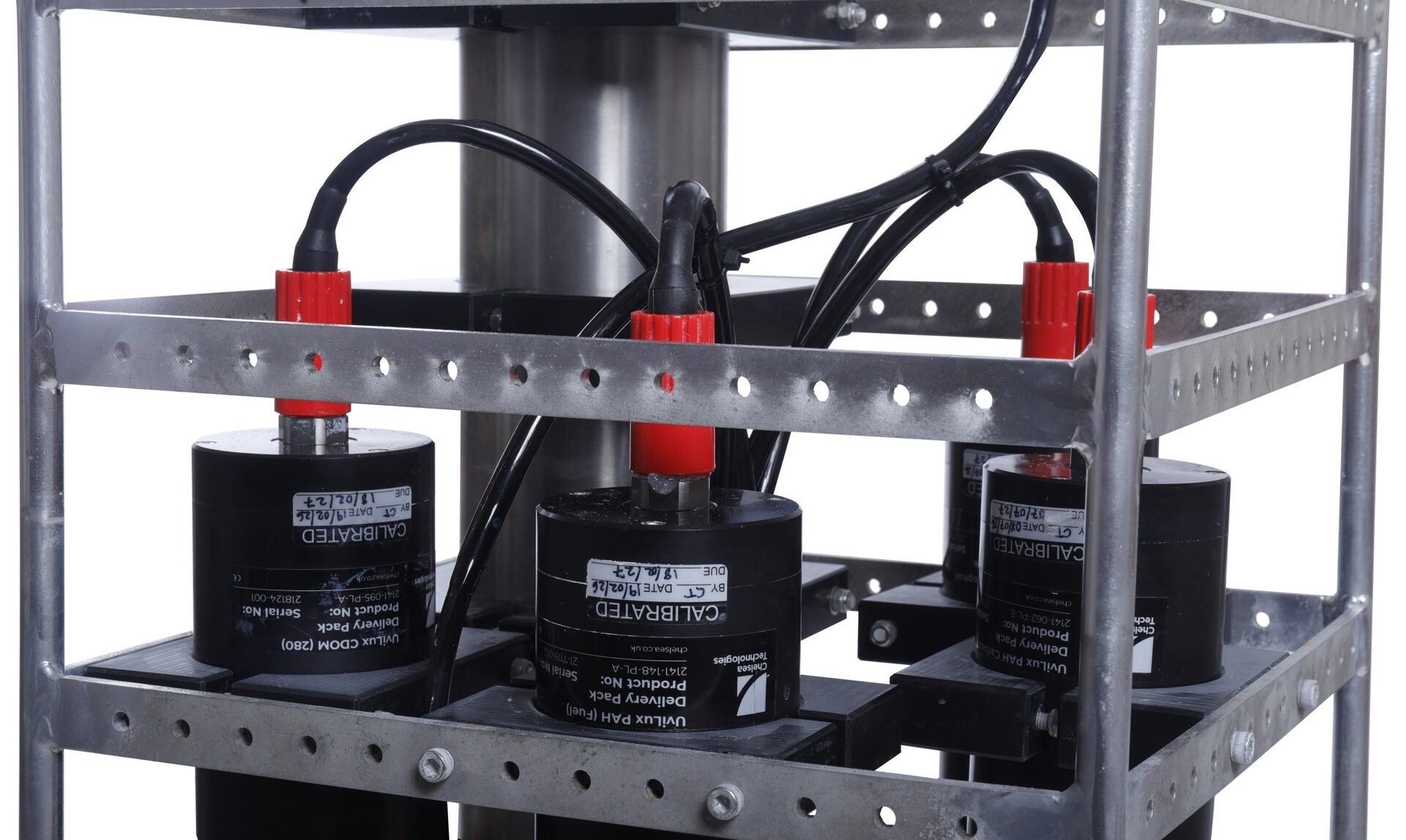 Fig. 13 Chelsea UviLux UV fluorometer installation detail | 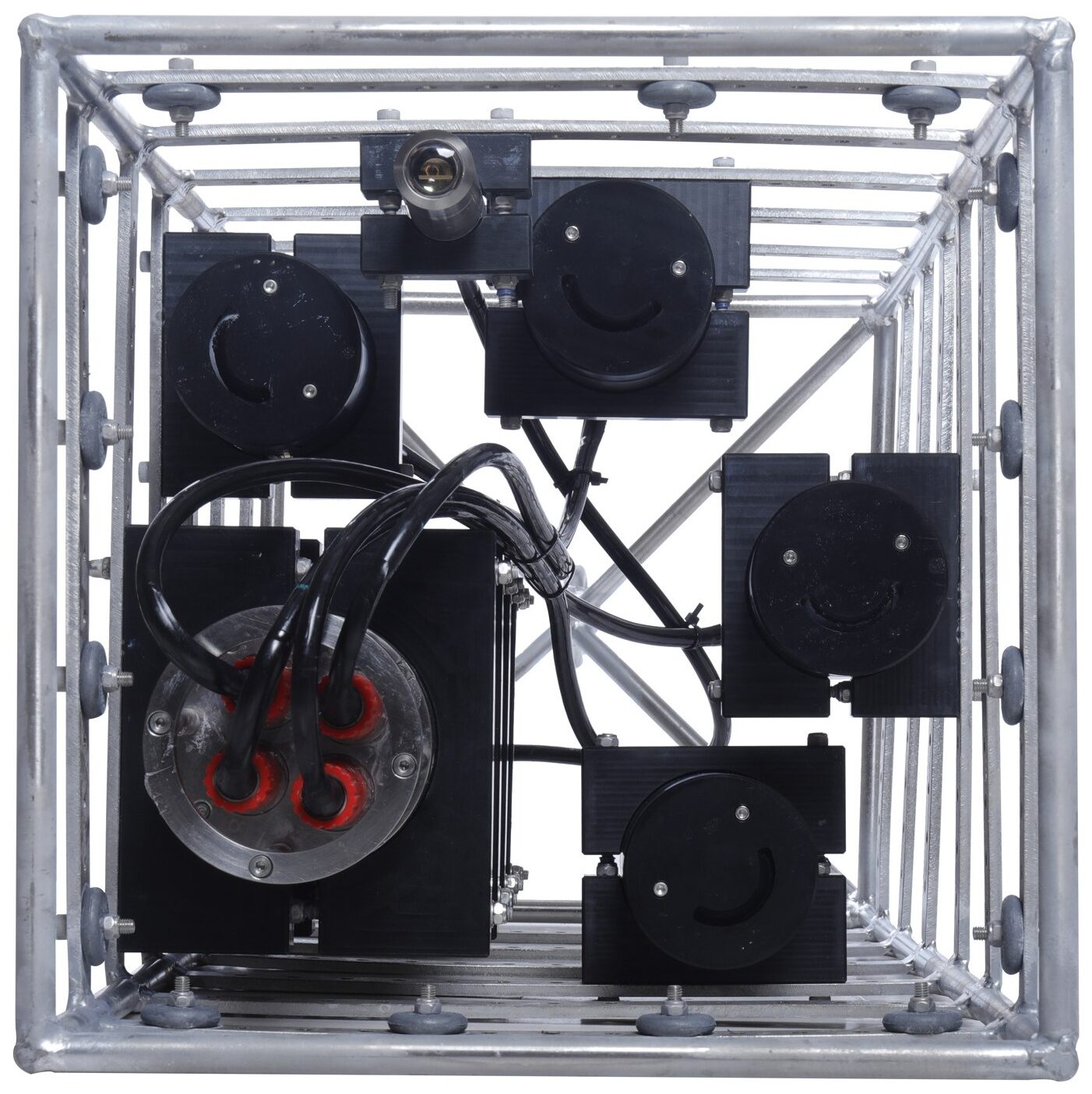 Fig. 12 Integrated sensor layout (top view) |