




Qingdao Daowan Technology Co., Ltd.——Daowan DW23 Seafloor Observatory System
Observation Platforms | Seabed Observation
Daowan DW23 Seafloor Observatory System
Daowan DW23 Seafloor Observatory System | Model: DW23
Product Positioning
Bottom-fixed · in-situ monitoring · real-time telemetry integrated seabed observation platform
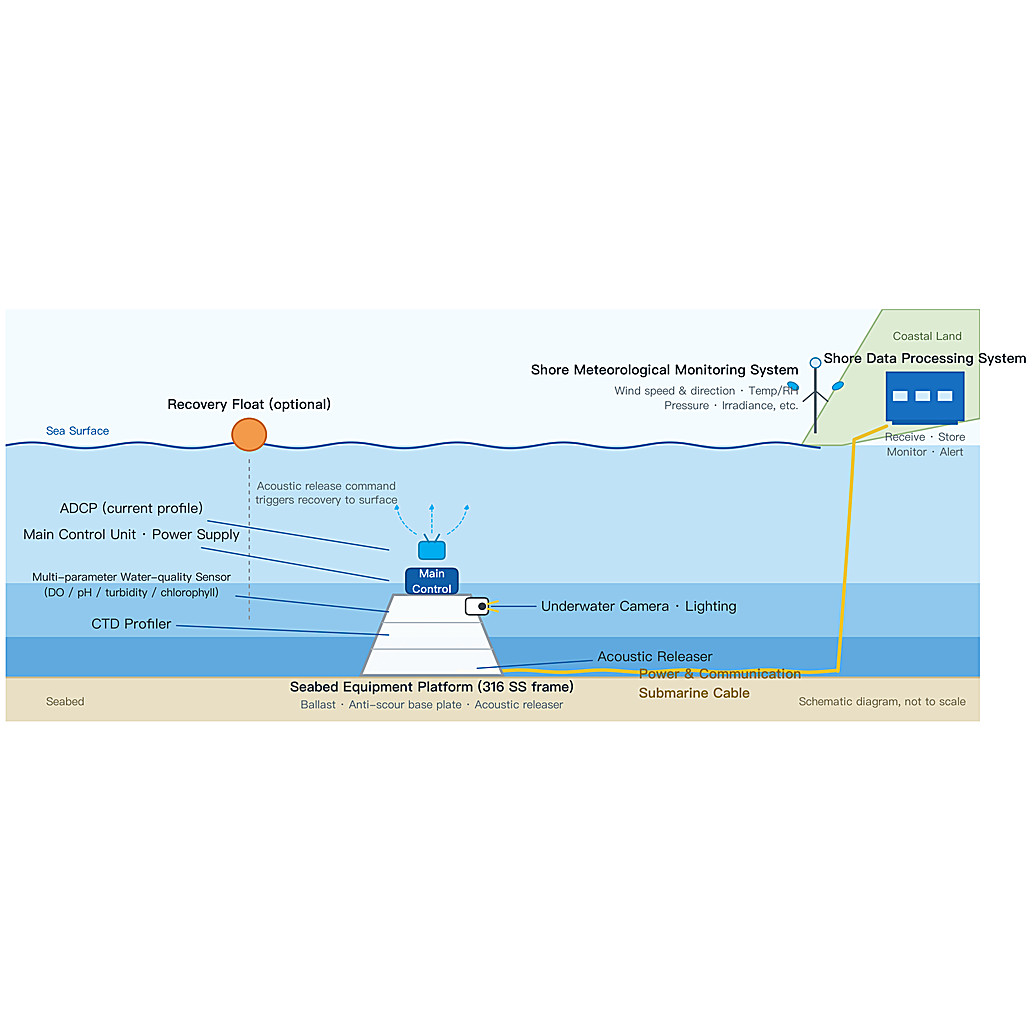
Fig. 1 DW23 seabed observation system overview (system composition diagram, not to scale)
Product Overview
The DW23 seabed observation system is a bottom-mounted monitoring platform for long-term, fixed-point observation of the near-shore seabed environment, comprising a seabed equipment platform, seabed environment monitoring system, acoustic release/recovery unit, shore-based meteorological monitoring system and shore-station data processing system. Sitting on the seabed, it continuously acquires temperature, salinity, depth, current speed and direction and multiple water quality parameters in situ, supports underwater video observation, and returns monitoring data in real time to shore via the integrated power-communication submarine cable, providing data support for marine environmental monitoring.
The system's modular design flexibly carries CTD, ADCP, current meter, multiparameter water quality sensors, underwater cameras and other observation equipment; hydrophones can be added for seabed geological activity and underwater noise monitoring, and biological traps and similar devices for marine ecological observation and biodiversity research. The shore-based meteorological monitoring system simultaneously collects weather parameters around the seabed base for joint analysis with underwater data, improving interpretation accuracy and providing weather reference for deployment and recovery operations at sea.
The system offers three forms — direct-reading disposable, float-ball recovery and float-body recovery — flexibly selected by observation task, budget and O&M conditions; it supports battery self-contained or shore power, with monitoring data self-recorded for 2 years and video rolling-stored for 3 months, adapted to long-term unattended operation. Specific configuration, performance and delivery scope are subject to the project technical agreement.
Key Features
● Bottom-mounted in-situ observation with long-term fixed-point monitoring near the seabed: stable on the bottom and largely undisturbed by surface waves or passing vessels;
● Modular frame flexibly carrying CTD, ADCP, current meter, multiparameter water quality sensors, underwater cameras and other observation equipment;
● Integrated power-and-communication submarine cable transmitting monitoring data and underwater video to shore in real time, with shore power supporting long-term online operation;
● Direct-reading disposable / float-ball recovery / float-body recovery three forms, selected by project budget and O&M conditions;
● Acoustic release with recovery float or float body; flexible options for sensor maintenance or whole-frame recovery;
● Synchronized shore-based meteorological observation for joint analysis with underwater parameters, aiding anomaly interpretation and cruise planning;
● Centralized monitoring by the shore-station data processing system with remote monitoring and intelligent alerts; monitoring data self-recorded for 2 years.
System composition
Seabed equipment platform. Comprising the seabed frame, underwater acoustic release and supporting hardware, it carries all equipment of the seabed monitoring system on a stable, reliable platform. The system also carries a recovery float or float body with the acoustic release, offering different options for sensor recovery or whole seabed base recovery.
Seabed environment monitoring system. The underwater environment sensing system of the seabed observation platform, integrating a control unit, integrated power-communication submarine cable, power system, underwater camera, various water quality sensors, current meter, ADCP and more — the data acquisition and control core of the seabed observation platform.
Shore-based meteorological monitoring system. Collects meteorological parameters around the near-shore seabed base and enables joint analysis with water quality and hydrological data, improving analysis accuracy and helping identify anomalous data; it also provides weather reference for planning offshore operations.
Shore-station data processing system. Comprising the software system with network and server equipment, it is an interactive centralized monitoring and control center with high-performance storage and network communication equipment ensuring stable operation and secure data transmission. Through a user-friendly interface, it centrally processes marine environmental monitoring data with remote monitoring and intelligent alerts.
System data link
The system data link has three parts — underwater observation, submarine-cable transmission and shore application: underwater payloads acquire and self-record via the seabed base control unit; monitoring data and underwater video return in real time to the shore-station data processing system via the integrated power-communication submarine cable for remote viewing and analysis; sensor maintenance and equipment recovery go through the acoustic release/recovery channel, and shore meteorological data are analyzed jointly with underwater parameters at the station.
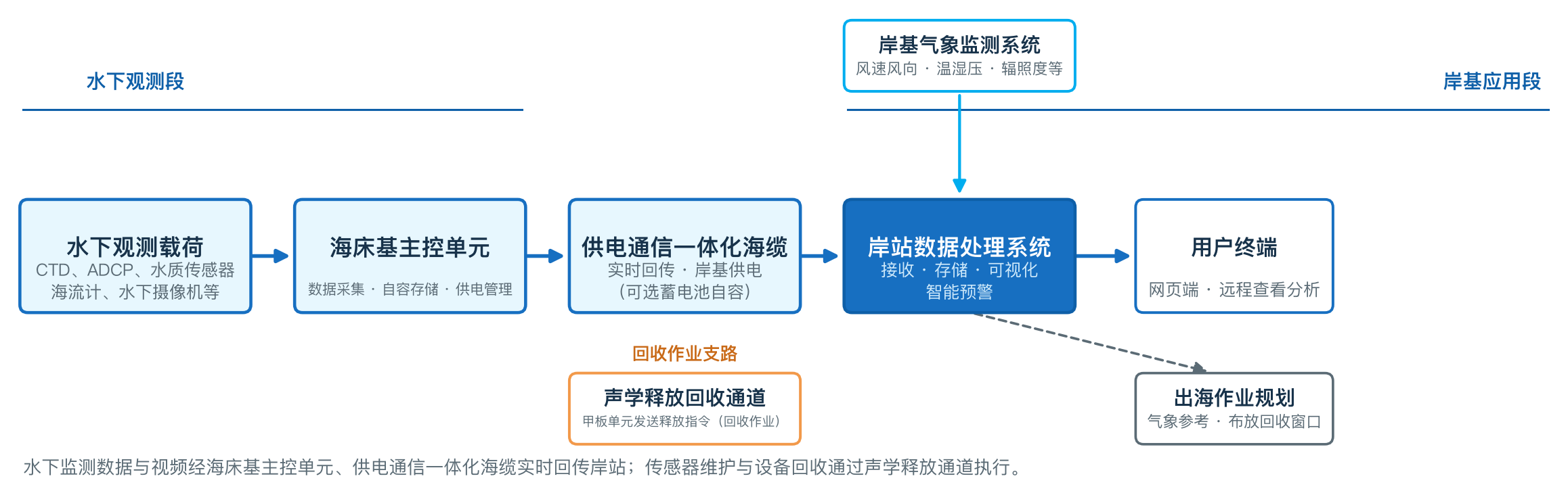 Fig. 2 DW23 seabed observation system data link diagram |
Seabed base type
● Direct-reading disposable seabed base. Advantages: low overall cost, real-time data return and high reliability; limitations: non-recoverable and difficult to maintain.
Float-ball seabed base. The frame carries an acoustic release; when sensors need maintenance or recovery, the deck unit sends a release command, the float is released and surfaces via a pre-rigged underwater line, and the underwater frame is then recovered by a winch on a surface vessel.
Float-body seabed base. The principle is similar to the float-ball type, except all sensors ride on the float body; when sensor recovery is needed, the release drops the whole float, which surfaces carrying the sensors.
Core Technology Highlights
| Technical approach | Customer value |
| Bottom in-situ observation | The platform sits on the seabed for fixed-point observation; data are unaffected by surface waves or passing vessels, and continuous recording is maintained even in severe sea states |
| Modular payload | The frame flexibly carries hydrological, water quality and video equipment per task; one platform covers multi-element synchronized observation |
| Real-time submarine cable transmission | The integrated power-and-communication submarine cable combines power delivery and data return; shore power sustains long-term online operation and data are transmitted as measured |
| Multi-mode recovery | Direct-reading disposable, float-ball recovery and float-body recovery forms selected by budget and O&M conditions, balancing cost and maintainability |
| Acoustic release operation | Release and recovery triggered by acoustic commands from the deck unit — no diver hook-up needed, making deployment and recovery safe and efficient |
| Centralized monitoring and alerting | The shore system centrally processes underwater and meteorological data with remote monitoring and intelligent alerts so anomalies are detected and handled promptly |
Technical Specifications
System scheme overview (customization supported)
| Main frame material | 316 stainless steel (bottom ballast · anti-sinking plate) |
| Equipment recovery method | Non-recoverable (direct-reading disposable) / float-ball type / float-body type |
| Water quality parameters | Water temperature, depth, salinity, dissolved oxygen, pH, chlorophyll, turbidity, etc. |
| Hydrological parameters | Current speed and direction |
| Meteorological parameters (shore-based) | Irradiance, wind speed, wind direction, temperature, humidity, atmospheric pressure, CO2 concentration, etc. |
| Underwater video | 1 channel |
| System power source | Storage battery or shore power supply |
| Data storage | Self-recording storage in the control system or shore-station server storage |
| Storage duration | Monitoring data 2 years; video 3 months (rolling coverage) |
The above is a system scheme overview; specific configuration, performance and delivery scope are subject to the project technical agreement.
Applications
● Long-term fixed-point in-situ monitoring of near-shore environments and ocean observation network construction;
● Online seabed environment monitoring during offshore wind farm construction and O&M;
● Underwater ecological observation and stock-enhancement evaluation for marine ranches and artificial reefs;
● Environmental monitoring of waters around ports, waterways and cross-sea corridors;
● Near-bottom parameter monitoring and early-warning support for ecological disasters such as hypoxia and red tides;
● Long-term acquisition of marine environmental baseline data and underwater video surveillance in survey areas.
Product Gallery
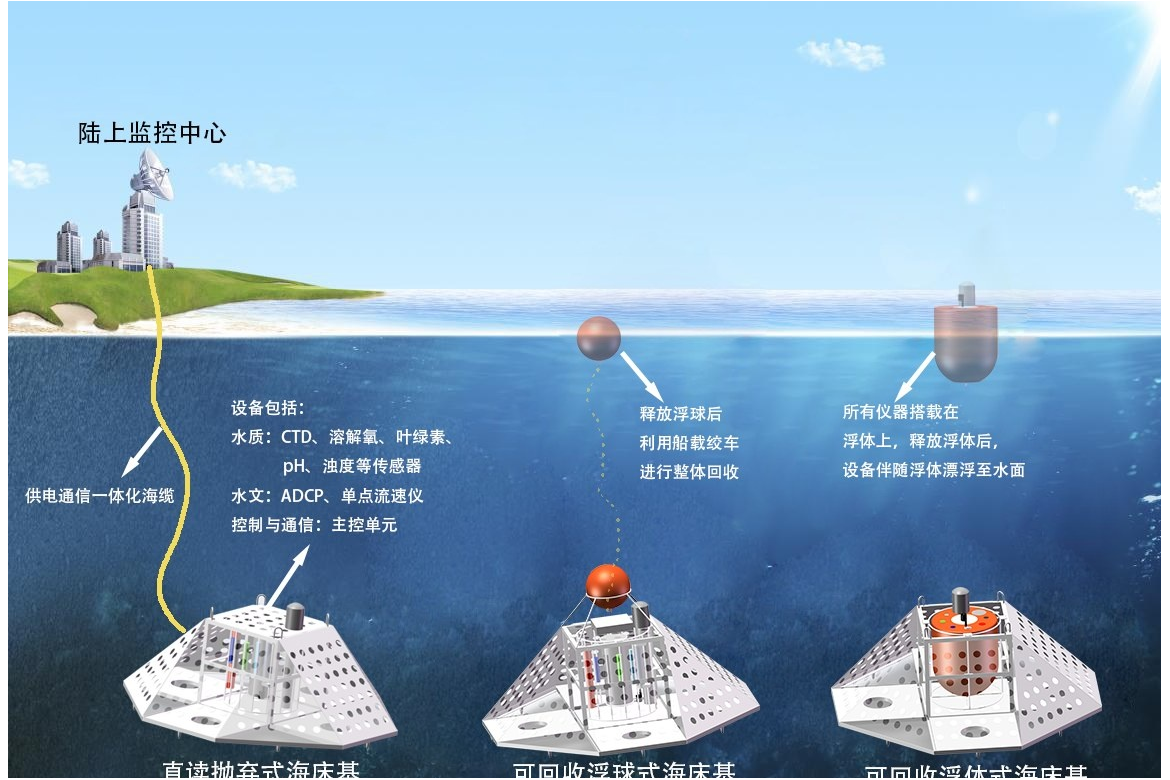 Fig. 3 DW23 seabed observation system deployment and recovery diagram (direct-reading disposable / float-ball recovery / float-body recovery) | 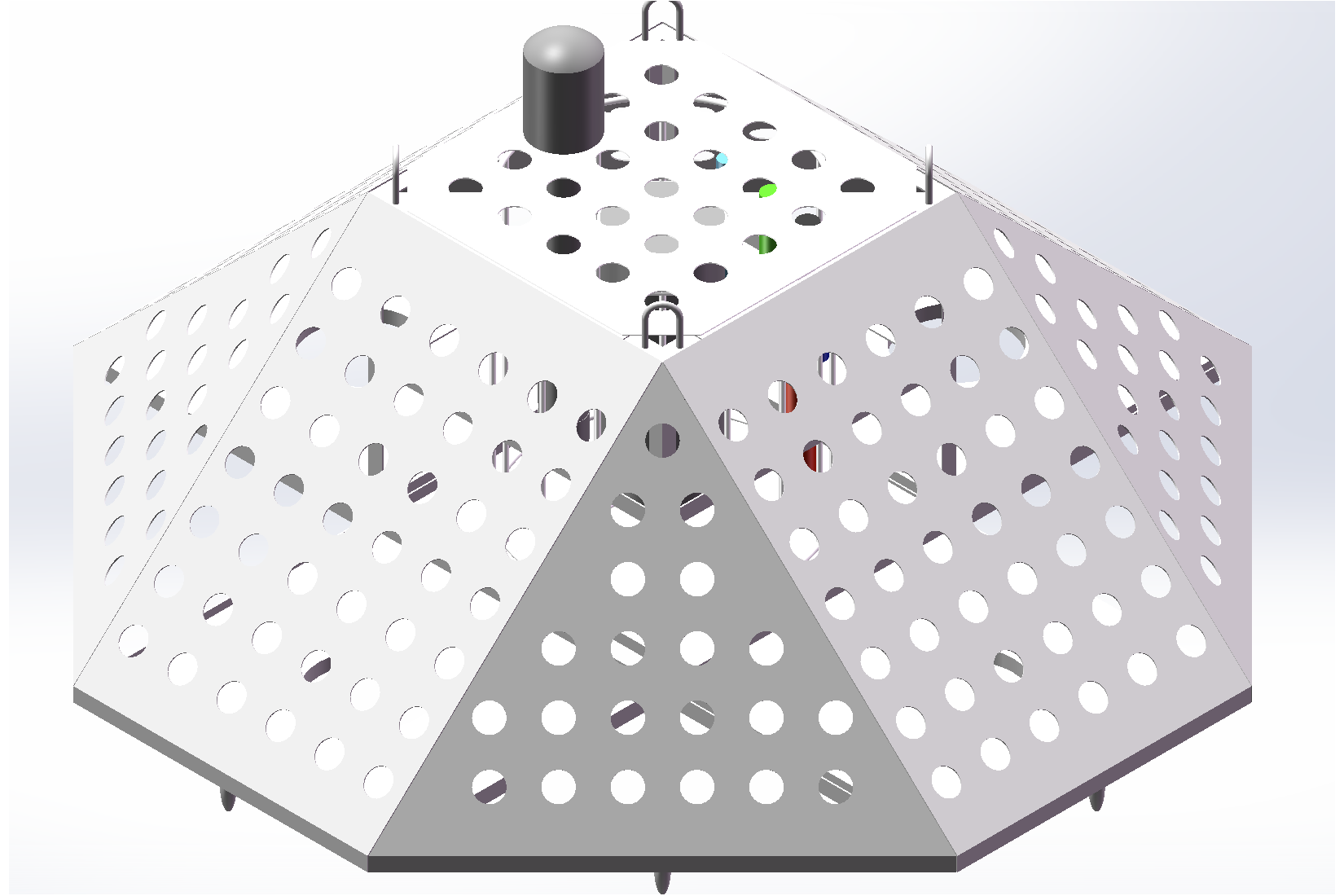 Fig. 4 DW23 Seabed Base 600 (direct-reading, disposable) rendering |
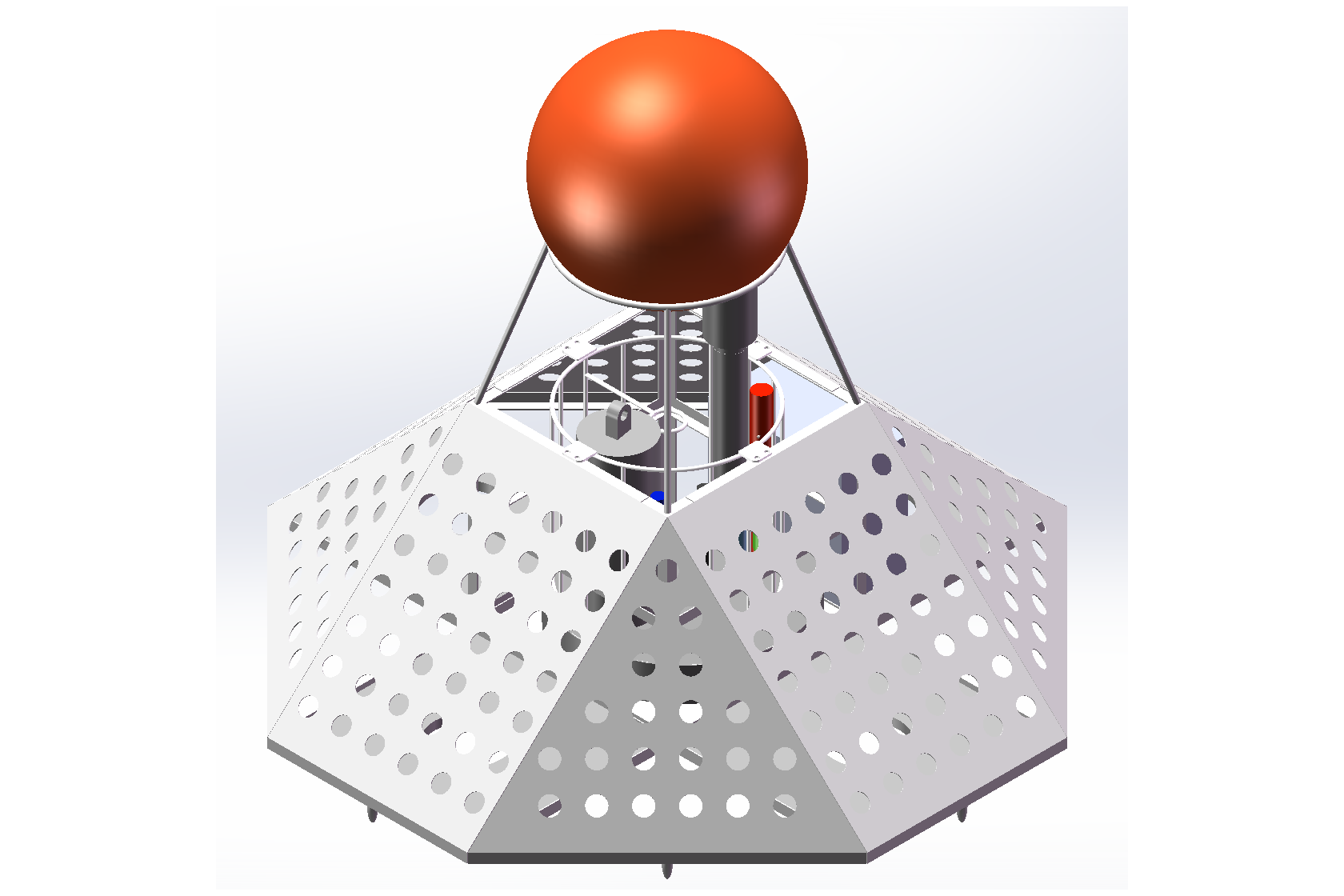 Fig. 5 DW23 Seabed Base 600 (float-ball recovery) rendering | 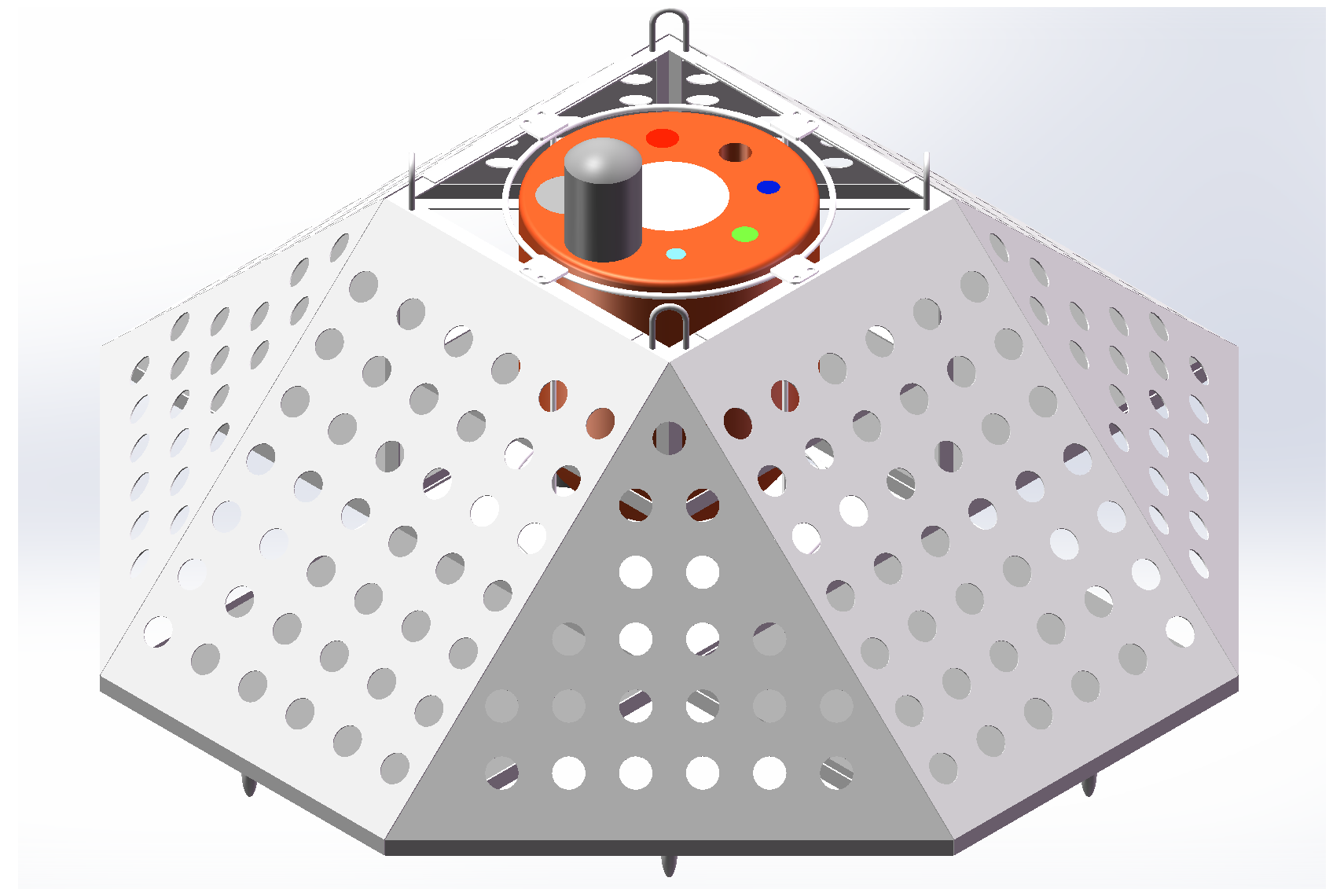 Fig. 6 DW23 Seabed Base 600 (float-body recovery) rendering |
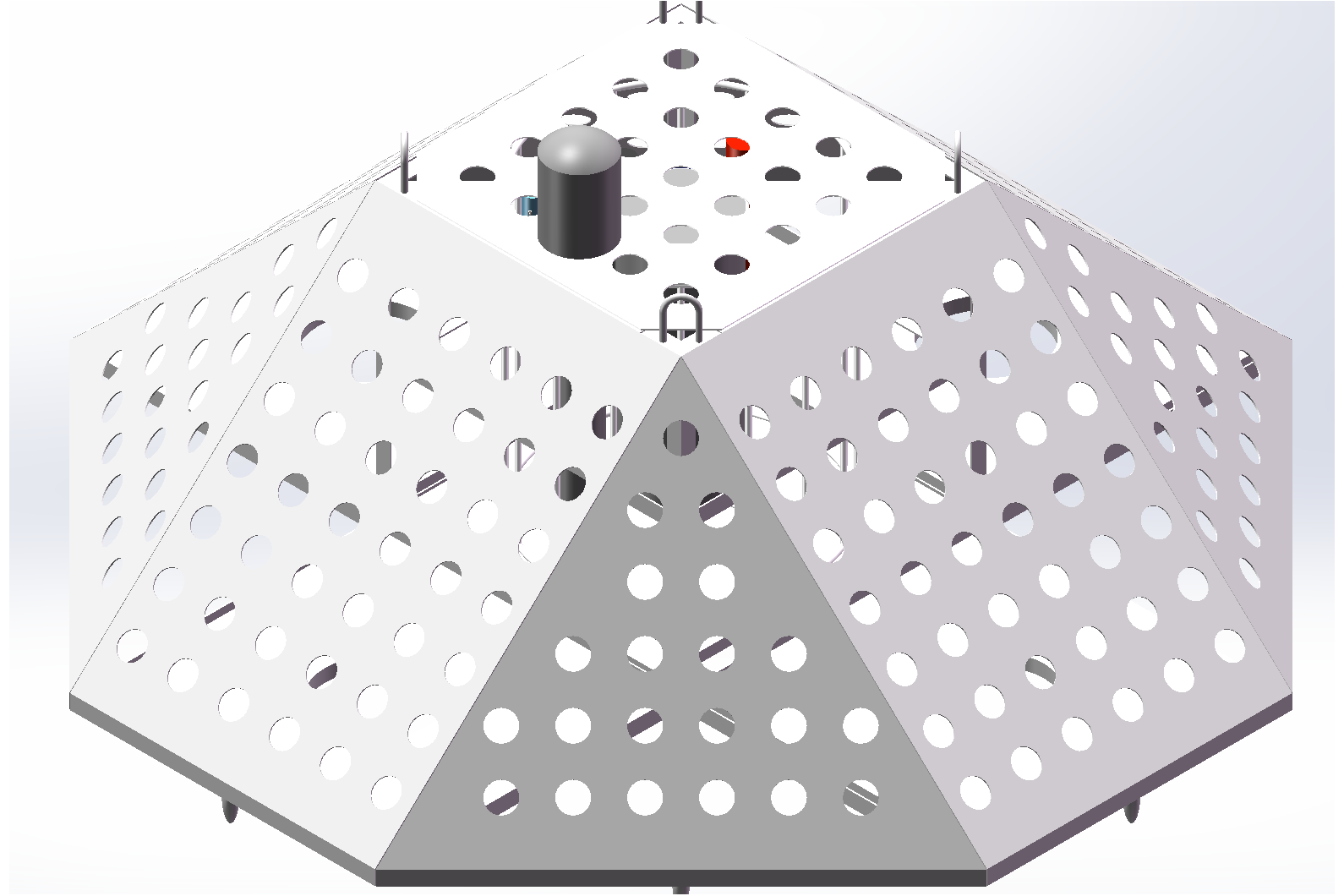 Fig. 7 DW23 Seabed Base 600 (direct-reading, disposable) rendering (upper-right view) | 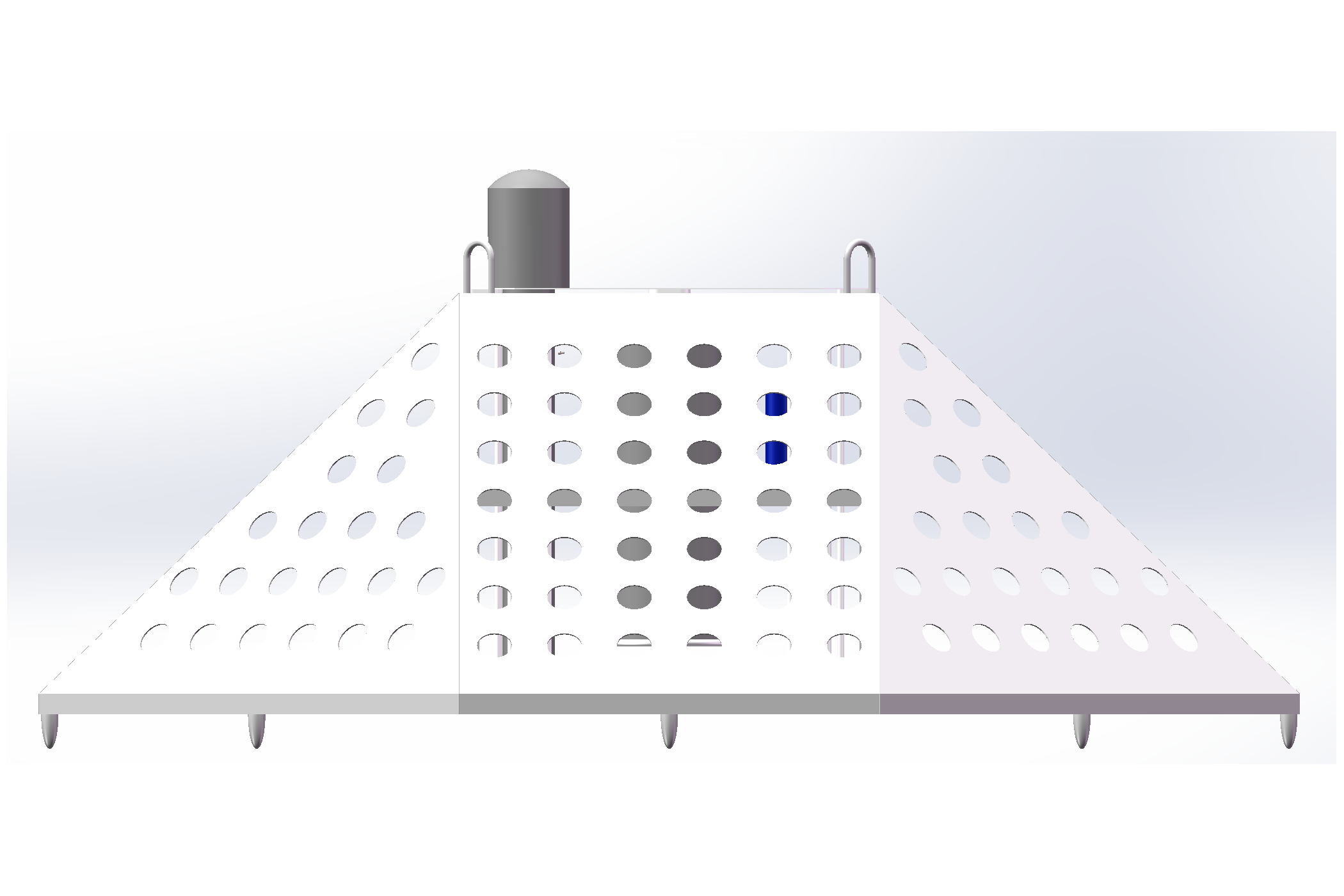 Fig. 8 DW23 Seabed Base 600 (direct-reading, disposable) rendering (front view) |
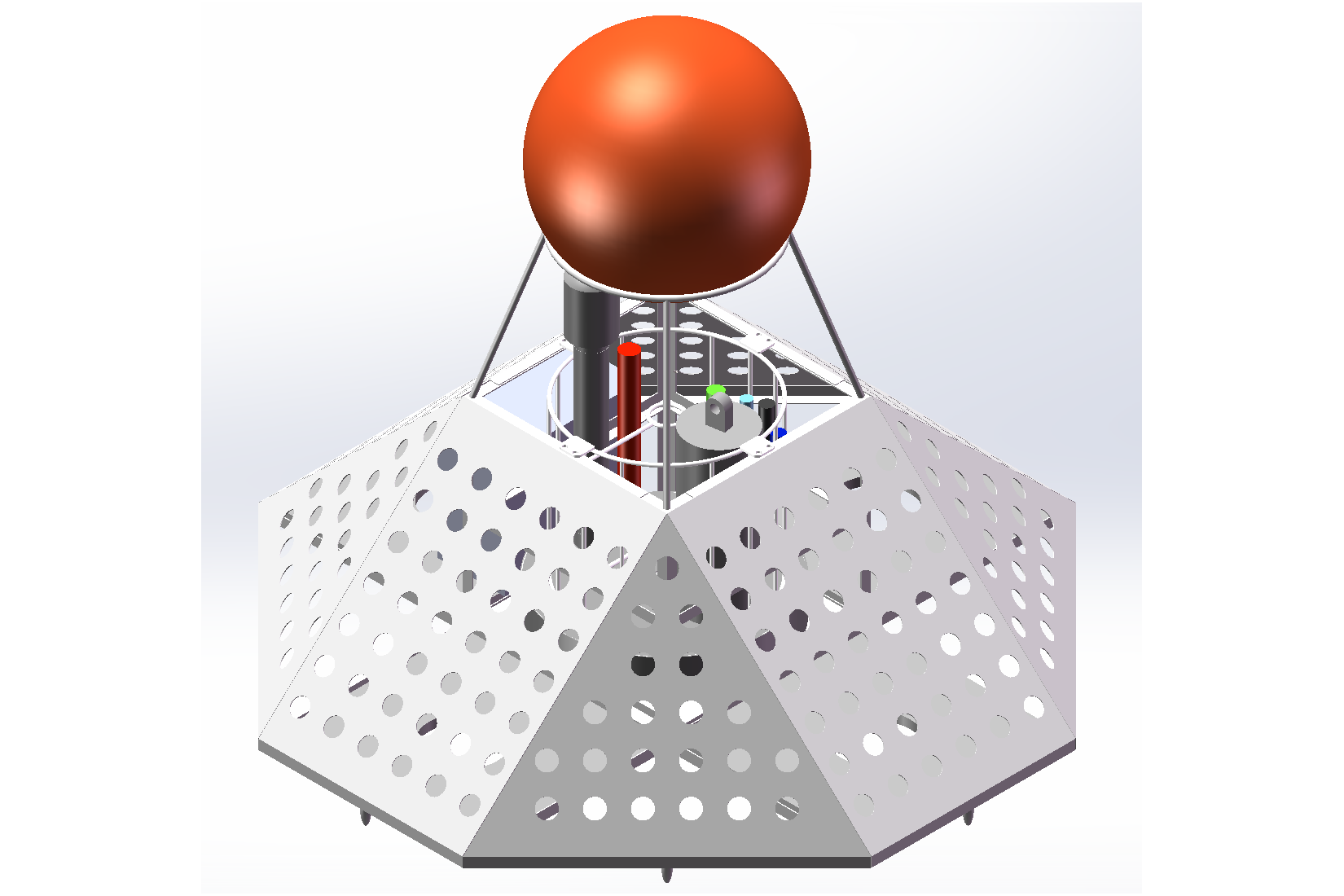 Fig. 9 DW23 Seabed Base 600 (float-ball recovery) rendering (upper-right view) | 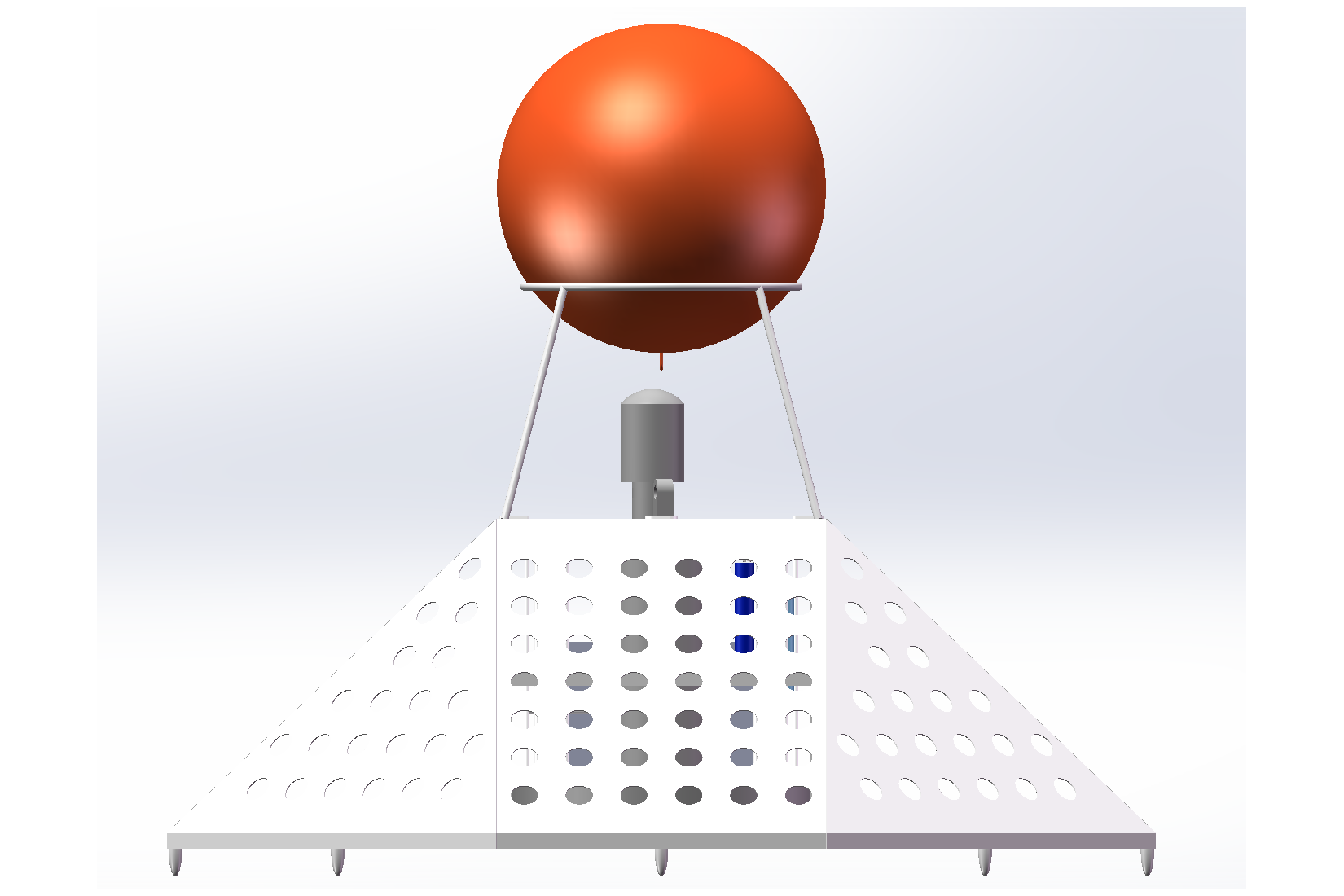 Fig. 10 DW23 Seabed Base 600 (float-ball recovery) rendering (front view) |
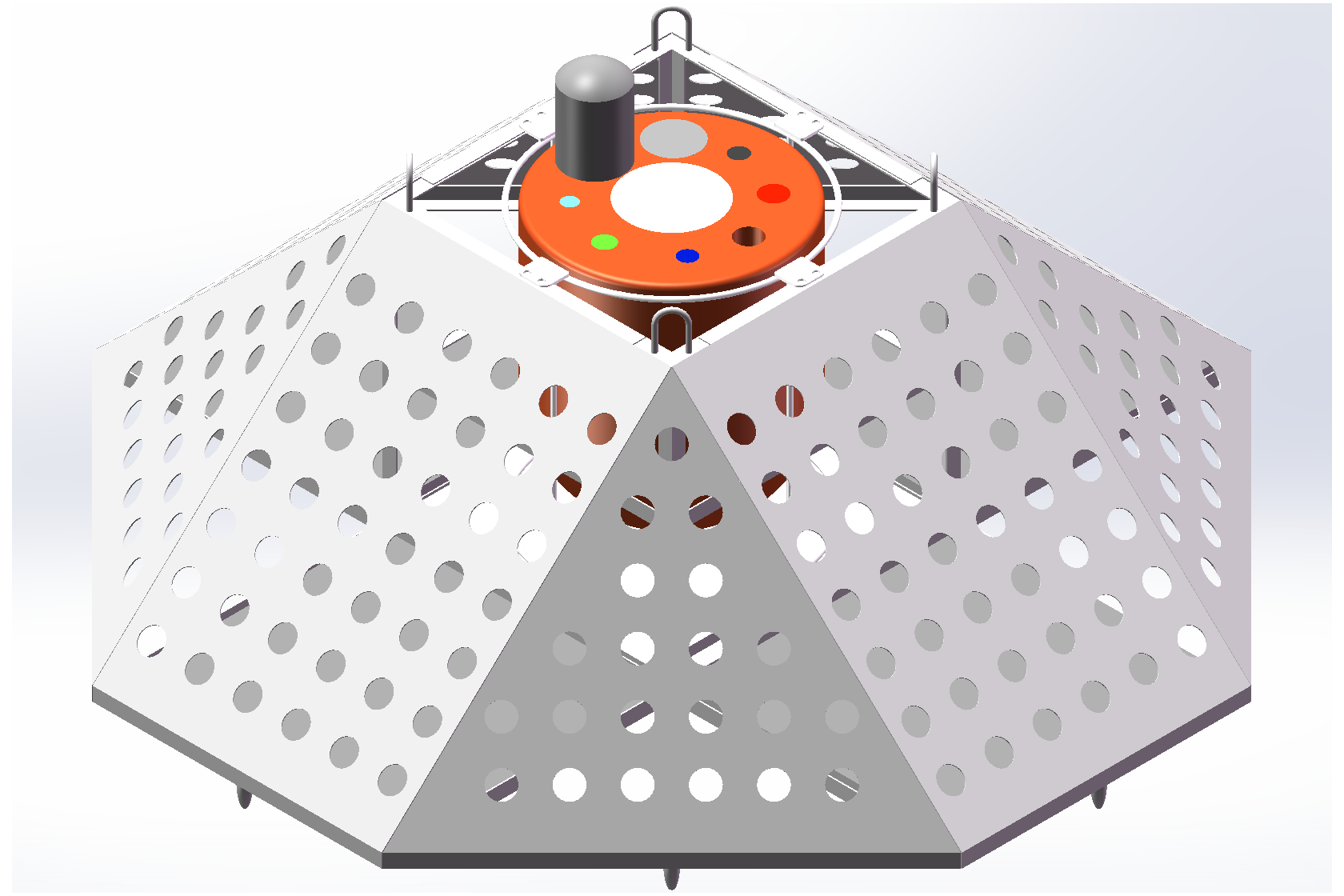 Fig. 11 DW23 Seabed Base 600 (float-body recovery) rendering (upper-right view) | 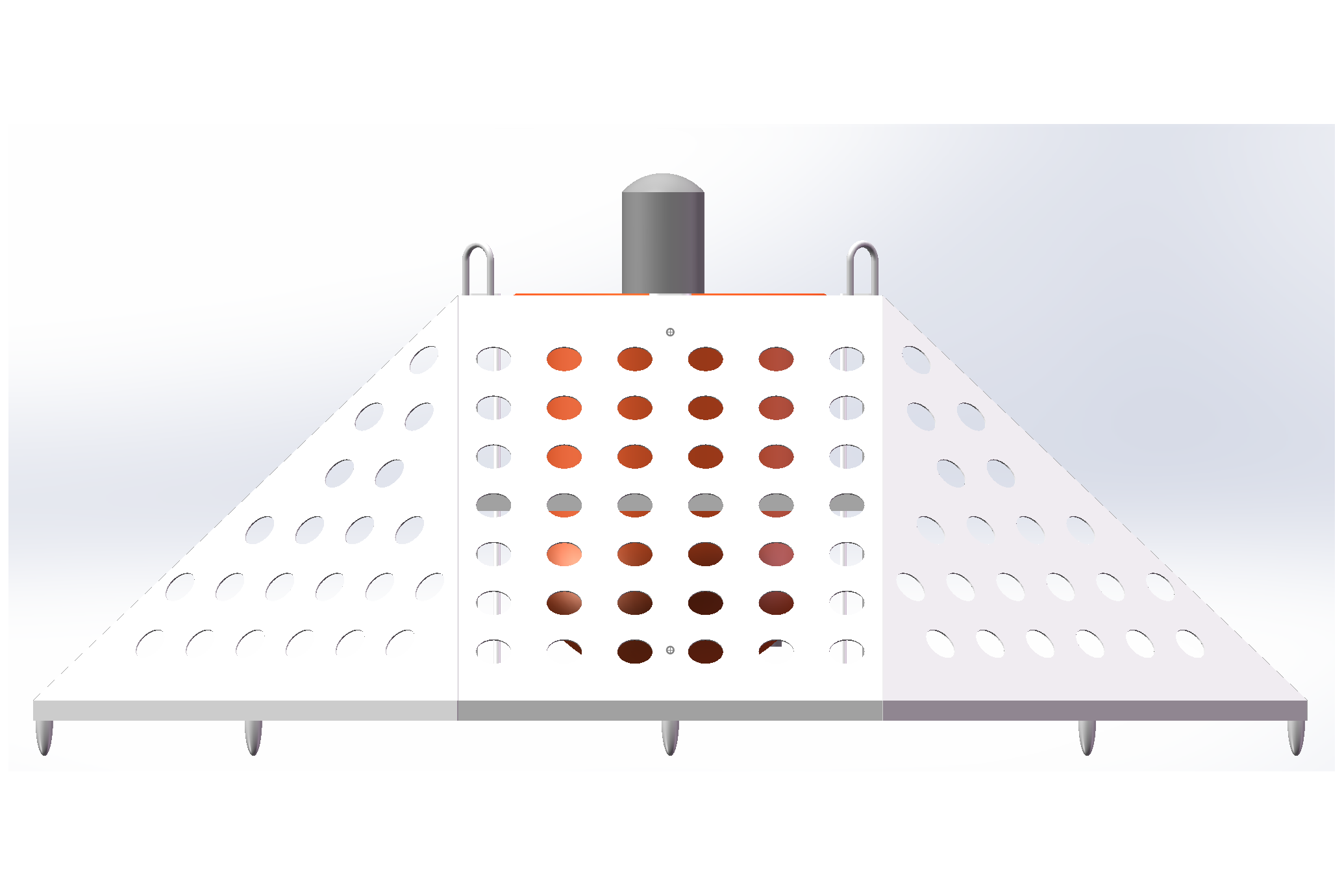 Fig. 12 DW23 Seabed Base 600 (float-body recovery) rendering (front view) |